



Learn how AI-driven RFID delivers real-time retail inventory visibility, faster audits, improved shelf availability, and reduced shrinkage across multi-store retail environments.
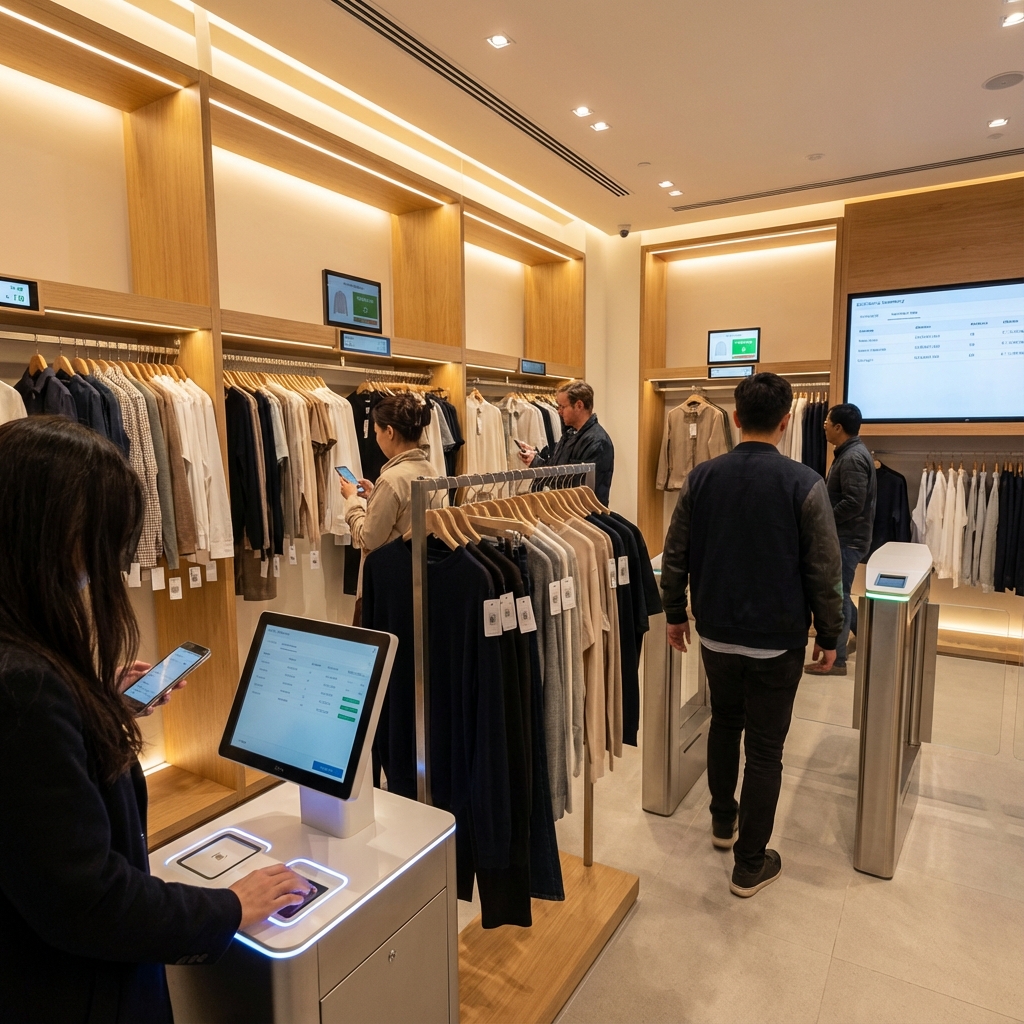
Leading retailers worldwide are adopting RFID technology to gain competitive advantages. From automated checkout to real-time inventory visibility, RFID is transforming how retailers operate and serve customers.
Retailers face several critical challenges that impact profitability:
Real-Time Inventory Visibility
Know exactly what's in stock, on the floor, and in the back room at all times. RFID provides 99%+ inventory accuracy, eliminating guesswork and reducing stock discrepancies.
Loss Prevention
RFID-enabled security gates detect unauthorized removal of tagged items, reducing shrinkage by 30-50%. Real-time alerts help staff respond quickly to potential theft.
Automated Checkout
Speed up checkout with automatic item recognition. Customers can walk through RFID-enabled checkout lanes without scanning individual items, reducing wait times by 80%.
Smart Fitting Rooms
Enhance customer experience with RFID-enabled fitting rooms that recognize items, suggest sizes and colors, and enable staff to quickly locate requested products.
Successfully implementing RFID in retail requires a strategic approach:
Step 1: Start with High-Value Categories
Begin with apparel, electronics, or other high-value items where ROI is clearest. This allows you to demonstrate value before expanding.
Step 2: Tag at the Source
Work with suppliers to tag items during manufacturing or at distribution centers. Source tagging reduces in-store labor and ensures consistency.
Step 3: Install Infrastructure
Deploy RFID readers at key points: receiving doors, stockrooms, sales floor, and exits. Ensure proper coverage and minimize interference.
Step 4: Integrate Systems
Connect RFID data to your POS, inventory management, and analytics systems for unified visibility and automated processes.
Step 5: Train Staff
Ensure employees understand how to use RFID tools, interpret data, and leverage insights to improve operations and customer service.
Major Apparel Retailer
Achieved 98% inventory accuracy (up from 65%), reduced out-of-stocks by 50%, and increased sales by 3-5% through better product availability.
Luxury Fashion Brand
Reduced shrinkage by 40%, improved customer service with instant product location, and enabled omnichannel fulfillment with real-time inventory visibility.
Electronics Retailer
Cut inventory counting time from 40 hours to 4 hours per week, improved stock rotation, and reduced obsolete inventory by 25%.
Explore more articles about RFID technology, inventory management, and industry solutions