



This guide explains how AI-powered RFID improves inventory accuracy, automates audits, and delivers real-time visibility for scalable, future-ready inventory operations.
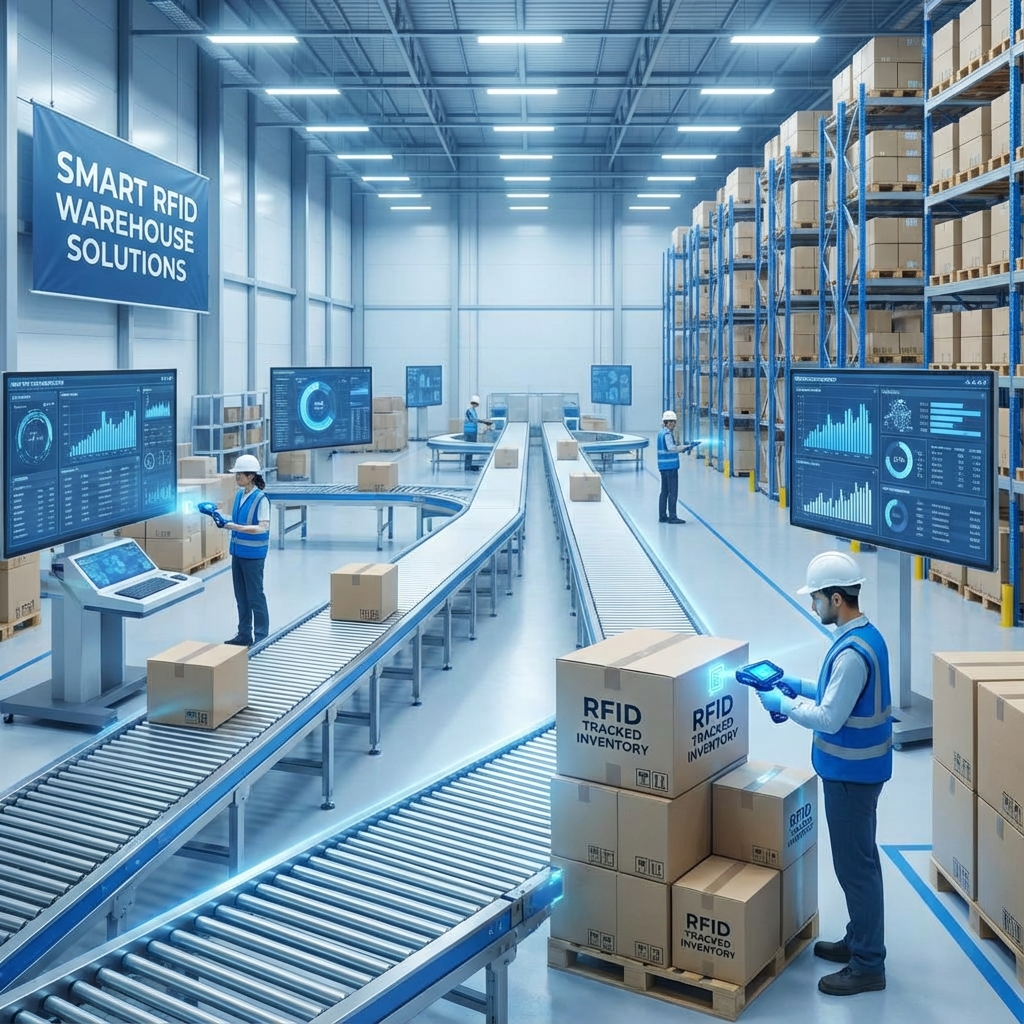
In today's fast-paced business environment, accurate inventory management is crucial for success. RFID technology offers a powerful solution that automates tracking, reduces errors, and provides real-time insights into your stock levels.
This comprehensive guide will walk you through everything you need to know about RFID inventory management, from basic concepts to implementation strategies and ROI calculations.
RFID (Radio Frequency Identification) is a wireless technology that uses electromagnetic fields to automatically identify and track tags attached to objects. Unlike barcodes, RFID tags don't require line-of-sight scanning and can be read from several meters away.
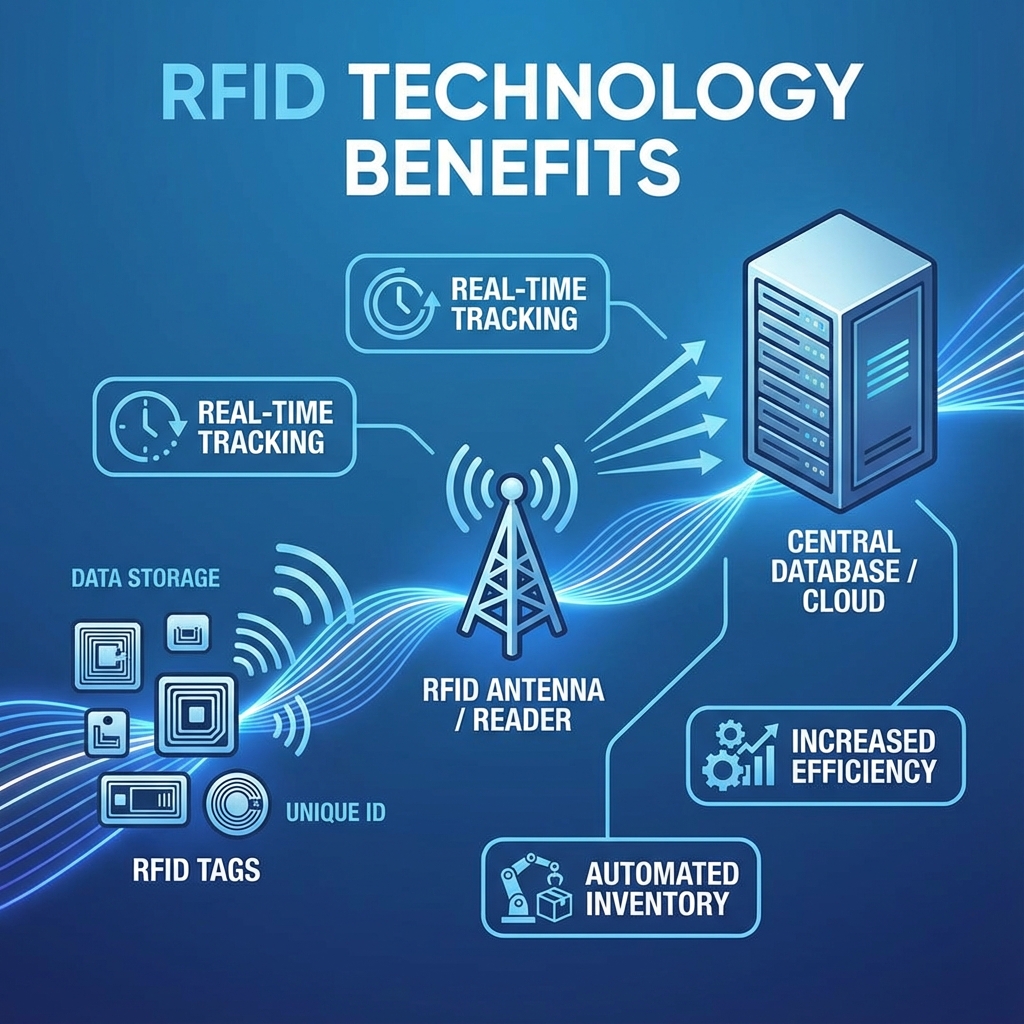
An RFID system consists of three main components: RFID tags (containing unique identifiers), RFID readers (that capture tag data), and software (that processes and manages the information).
RFID inventory management works through a simple yet powerful process:
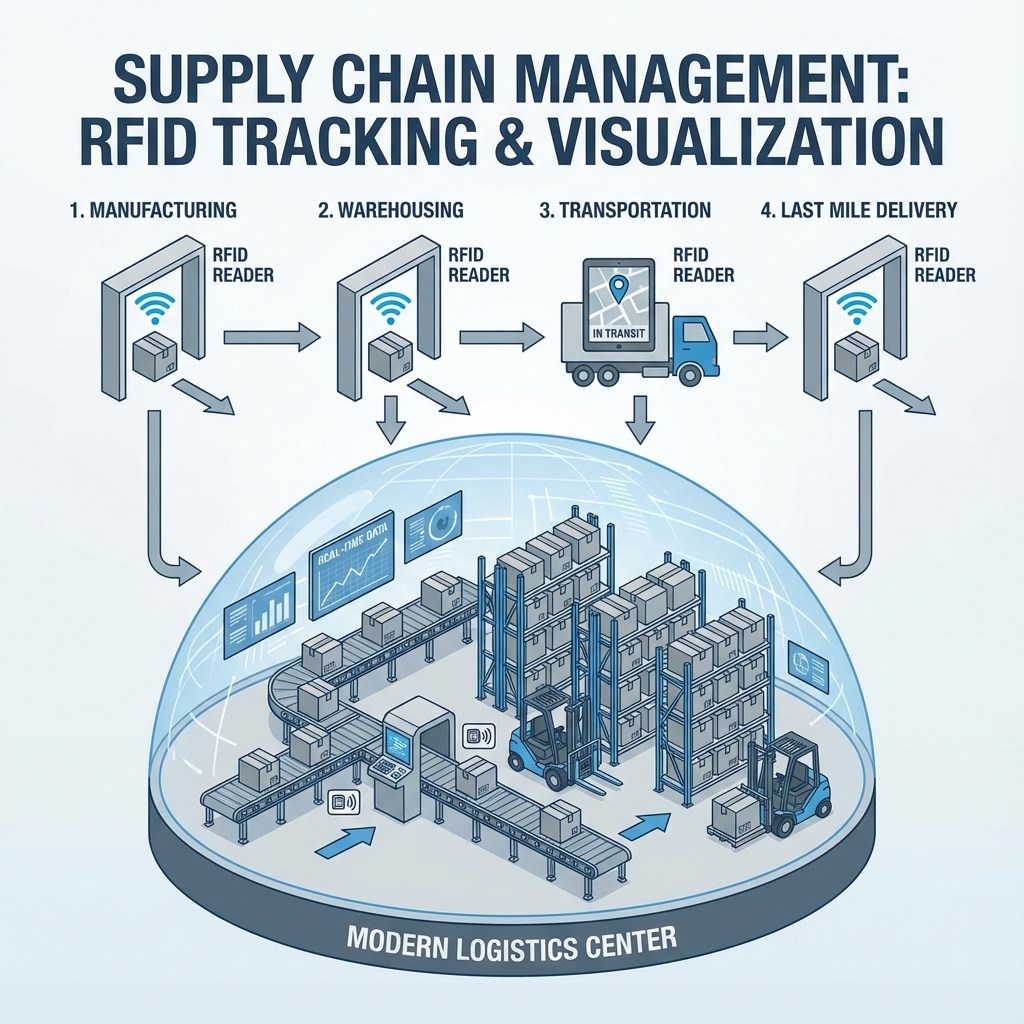
Implementing RFID technology in your inventory management system delivers numerous advantages:
Successfully implementing an RFID system requires careful planning and execution:
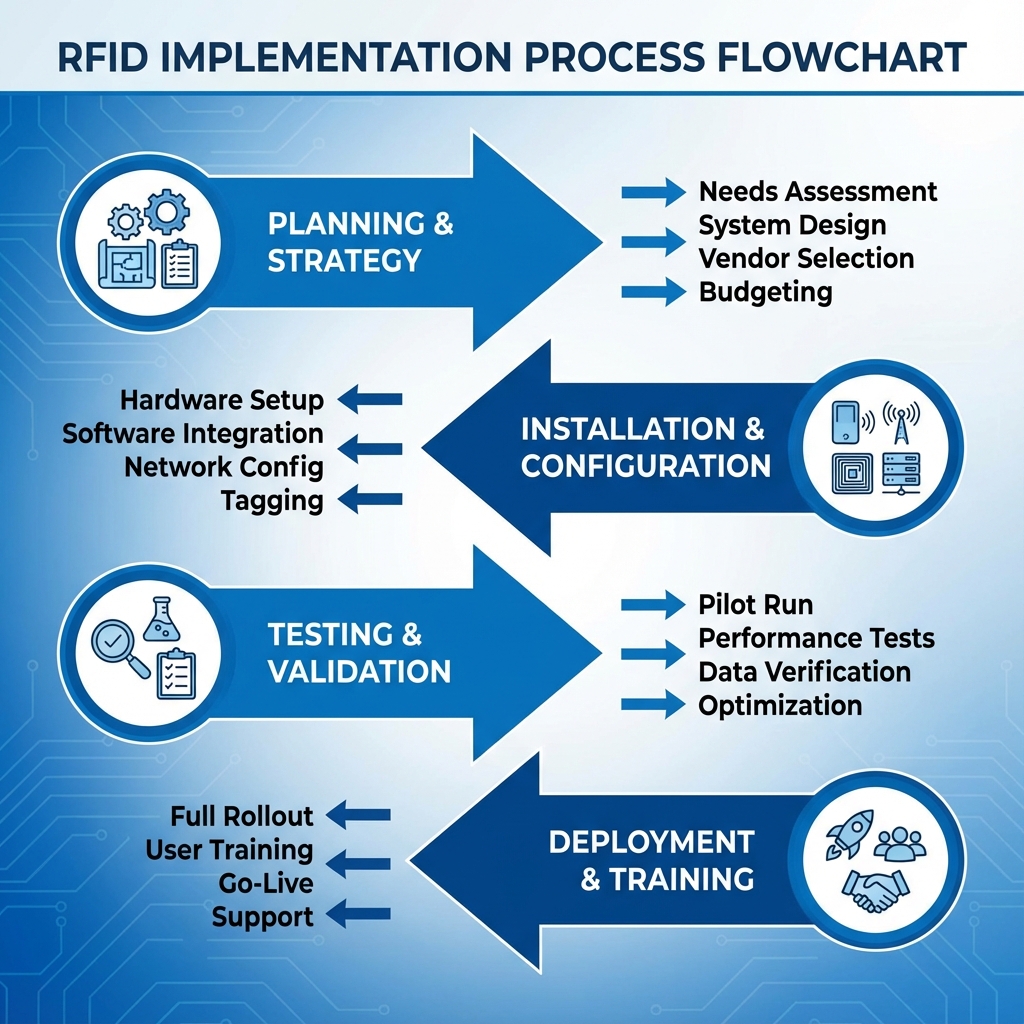
Phase 1: Planning & Strategy
Assess your needs, define objectives, select vendors, and create a detailed budget and timeline.
Phase 2: Installation & Configuration
Set up hardware, integrate with existing systems, configure network settings, and begin tagging inventory.
Phase 3: Testing & Validation
Run pilot programs, conduct performance tests, verify data accuracy, and optimize system settings.
Phase 4: Deployment & Training
Execute full rollout, train users, go live with the system, and provide ongoing support.
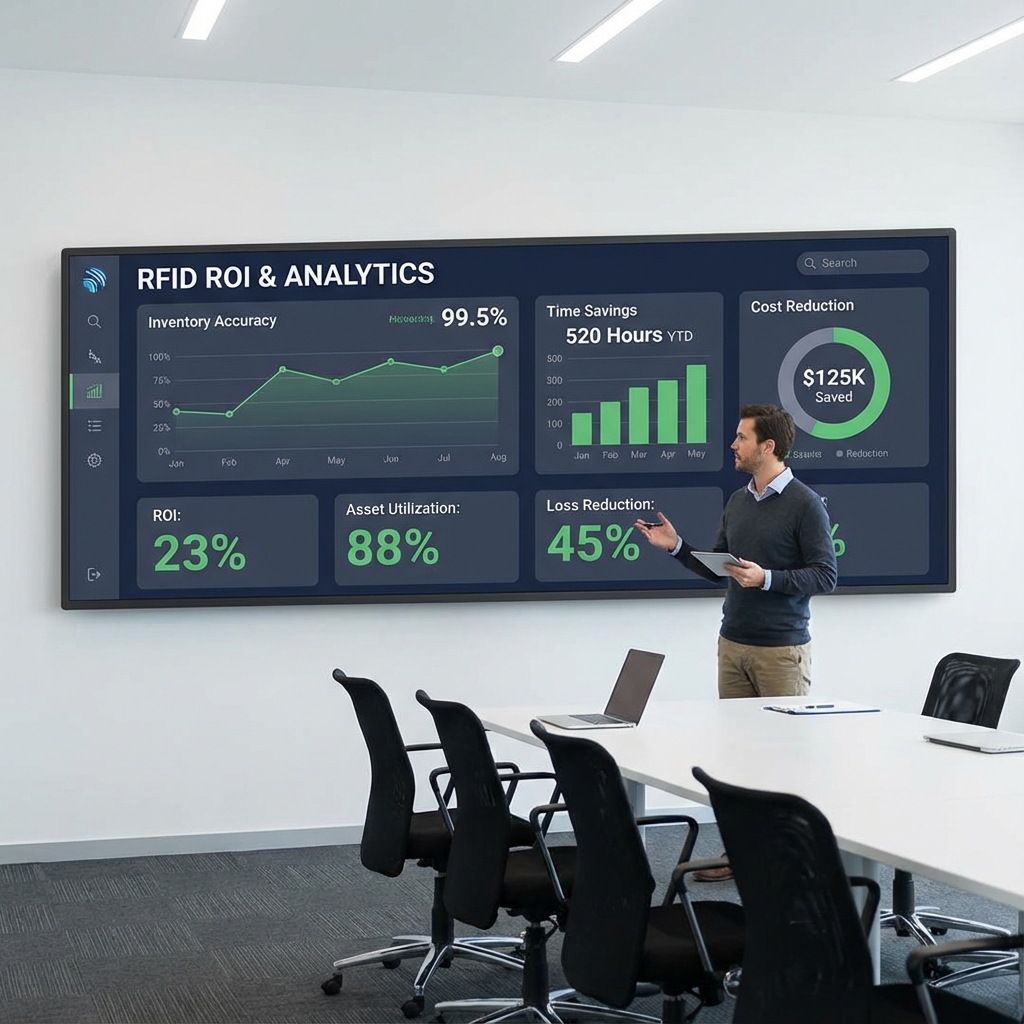
Most businesses see ROI from RFID implementation within 12-18 months. Key cost savings include:
The initial investment includes hardware (readers, antennas, tags), software licenses, installation, and training. However, the long-term benefits far outweigh these upfront costs.
Explore more articles about RFID technology, inventory management, and industry solutions